
When we think about interior design, our minds often jump to paint colors and statement furniture. But there is an unsung hero of interior trim that quietly anchors every room: the baseboard. Baseboards do much more than cover the gap between drywall and the floor. They protect walls from scuffs and vacuums while framing the space and influencing whether a room feels modern, traditional, or high-end.
If you are renovating or updating a builder-grade home, exploring the right baseboard ideas is one of the most impactful upgrades you can make. From mid-century modern design to rustic farmhouse charm, the trim profile you choose sets the tone. Whether you have soaring 10-foot ceilings or the quirks of a historic colonial, this guide covers 12 of the best baseboard styles to elevate every room. Let’s dive into the world of millwork and discover how to choose the perfect floor trim.
What Are Baseboards?
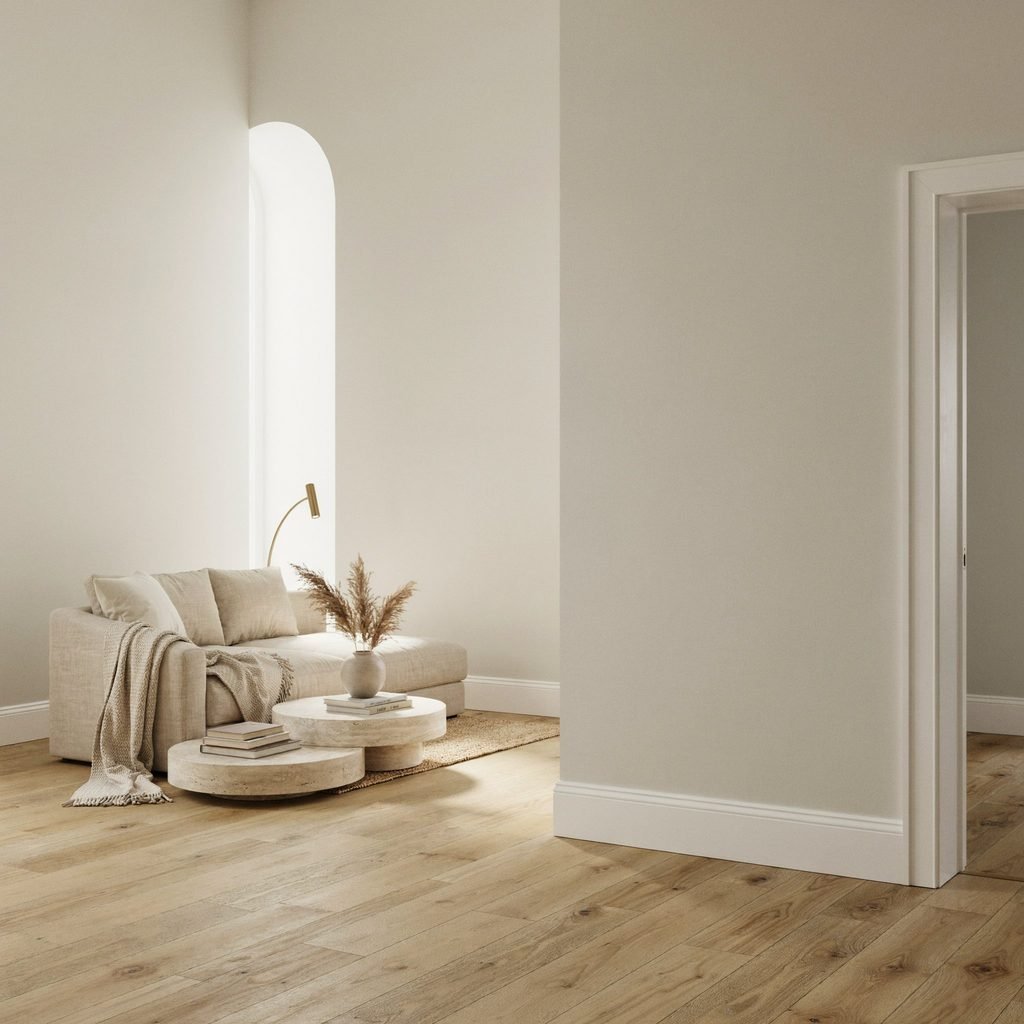
Before exploring specific designs, let’s define what we are working with. Baseboards—also referred to as base molding, floor trim, or skirting boards—are the narrow boards running along the bottom of an interior wall. Their primary function is practical: they conceal the uneven expansion gap left between the wall framing and the finished flooring. This gap allows materials like hardwood and luxury vinyl plank (LVP) to expand and contract with temperature changes.
Beyond hiding joints, baseboard trim acts as a protective shield. Without it, your drywall would be vulnerable to kicks and vacuum cleaners. From a design perspective, base molding creates a crucial visual transition. It grounds the wall color and provides a baseline for door casings, wainscoting, and crown molding. Available in solid wood, MDF baseboard, and PVC composites, baseboards are a fundamental element of finished interior architecture.
12 Best Baseboard Ideas
1. Classic White Baseboards
There is a reason white baseboards remain the champion of American interior design. Crisp and versatile, bright white trim provides sharp contrast against almost any wall color, from moody navy to soft greige. It works beautifully with every flooring type, including rich hardwood and modern LVP. For the best results, opt for a semi-gloss or satin paint finish. These sheens provide an elegant light reflection and are incredibly easy to wipe clean, making classic white the ultimate timeless choice among baseboard ideas.

2. Modern Flat or Square-Edge Baseboards
If your home leans toward contemporary or mid-century modern aesthetics, ornate curves will feel out of place. Enter the flat or square-edge baseboard. These modern baseboard ideas prioritize clean, minimalist lines. Usually completely flat with a sharp, 90-degree top edge, square-stock trim creates a sleek, streamlined look. This style pairs exceptionally well with matte black door hardware, simple flat-panel doors, and polished concrete floors. By stripping away unnecessary detailing, square-edge baseboards allow your furniture to take center stage.

3. Tall Baseboards for a High-End Look
Want to instantly make your home feel like a luxury custom build? Look up and go big. Tall baseboards—typically 5 to 7 inches or taller—add undeniable architectural presence. This approach is especially effective in homes with 9-foot or 10-foot ceilings, where standard 3-inch trim can look disproportionately small. Tall trim draws the eye downward, grounding the room and emphasizing wall height. However, proportion is key; avoid towering baseboards in small rooms with standard 8-foot ceilings, as this can visually shrink the space.
4. Farmhouse Baseboard Trim
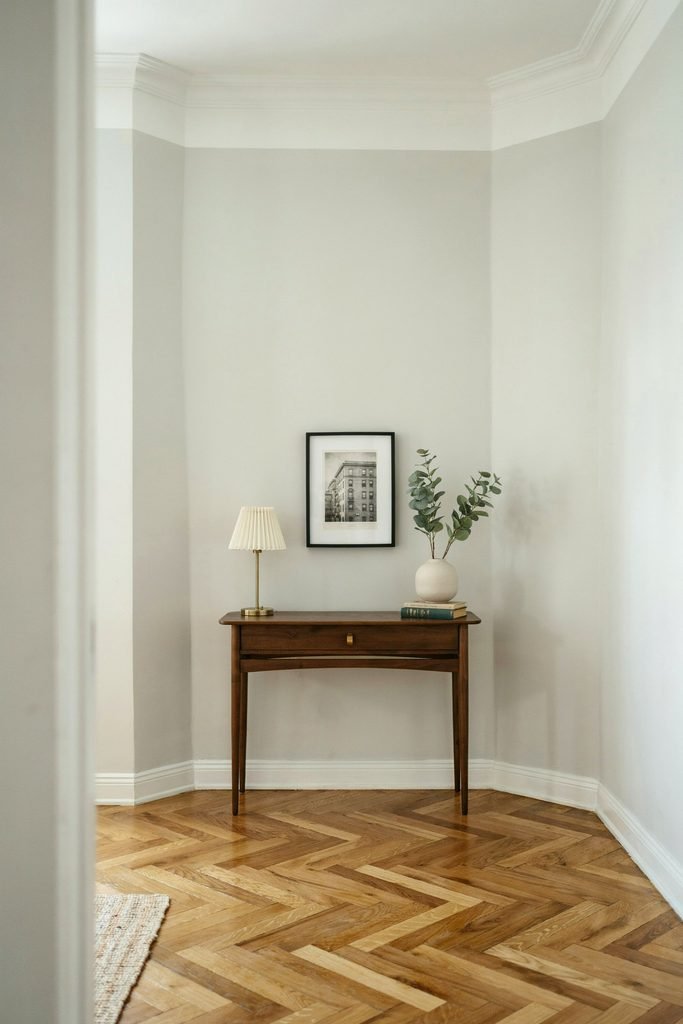
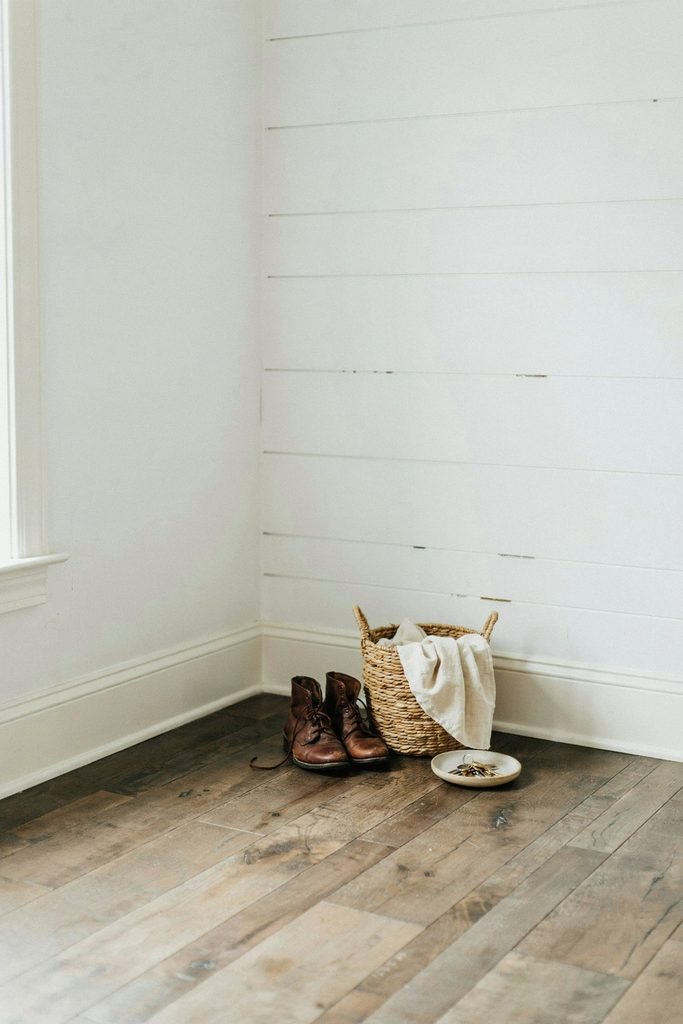
The modern farmhouse trend relies heavily on trim to achieve its cozy aesthetic. Farmhouse baseboard ideas favor simplicity and a slightly rustic, handcrafted feel. Think flat-stock boards with a subtle, rounded top edge, painted in crisp white or warm off-white shades like Swiss Coffee. Farmhouse baseboards look incredible when paired with shiplap walls, board-and-batten accents, and wide-plank engineered wood floors. The goal is a welcoming, unpretentious backdrop that feels historic but updated for modern family living.
5. Craftsman-Style Baseboards
Rooted in the American Arts and Crafts movement, Craftsman architecture is all about honest craftsmanship. Craftsman baseboard trim reflects these values, typically featuring a wide, flat baseboard topped with a distinct chamfered or beveled profile. Unlike delicate colonial curves, Craftsman trim is substantial and angular. While often painted in deep earthy tones, it is equally stunning in its natural state. Staining your craftsman baseboards in rich oak highlights the wood grain and creates a warm look when matched with wooden built-ins.
6. Built-Up Baseboard With Cap Molding
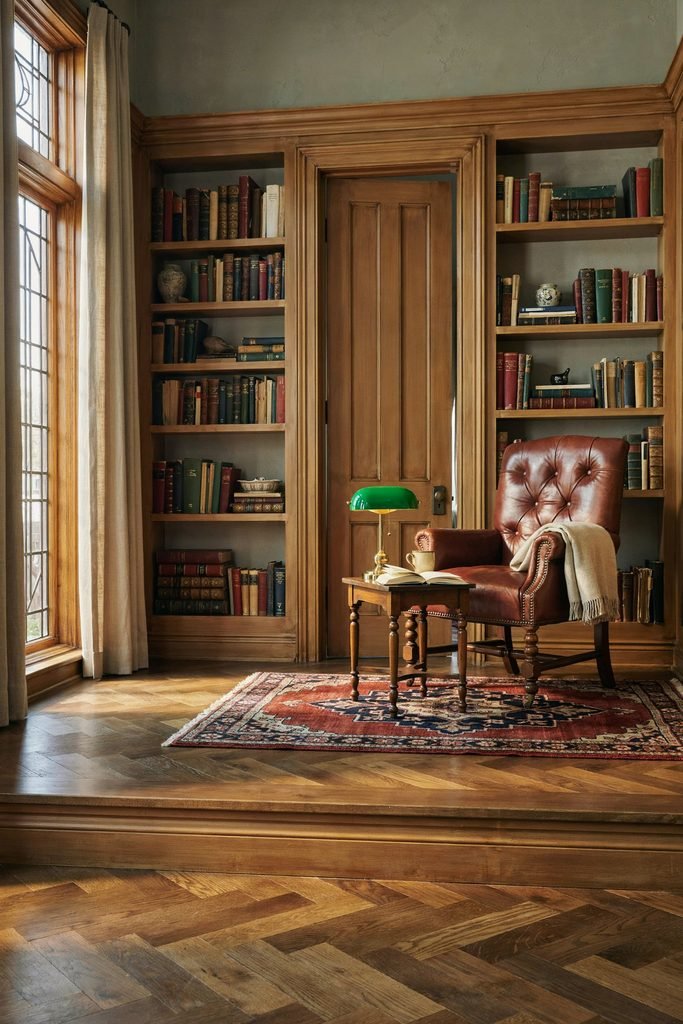
For homeowners wanting a custom profile without the cost of solid, thick millwork, a built-up baseboard is a brilliant solution. This involves layering multiple pieces of trim. Typically, a wide flat base board is installed, followed by decorative cap molding near the top, and finished with a base shoe. This layered approach adds incredible depth and shadow lines, making it a standout choice among baseboard molding ideas. Built-up trim is exceptionally well-suited for formal dining rooms and traditional living spaces.
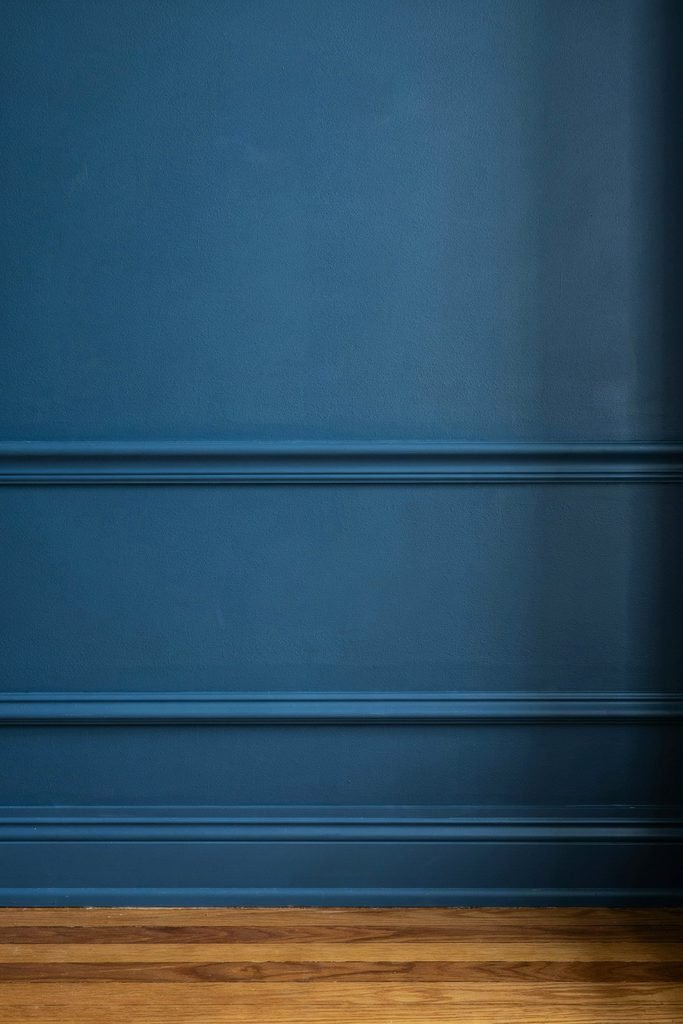
7. Black Baseboards for Bold Contrast
While white is classic, black baseboards are the ultimate statement-maker. Painting your floor trim in matte black or charcoal creates a striking contrast, especially when paired with bright white walls and light-toned flooring. This high-contrast look is a staple in industrial lofts and moody maximalist interiors. Black trim visually anchors the room, creating a sharp boundary that makes colorful rugs pop. To keep the look from feeling heavy, ensure your room has ample natural light and carry the black paint to your door casings.

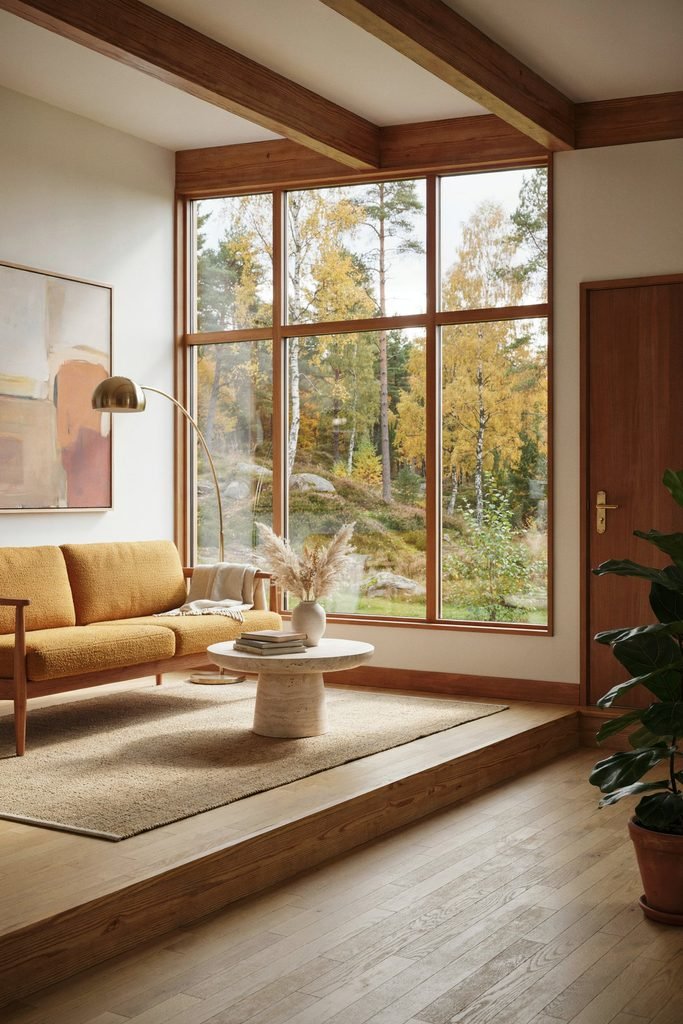
8. Wood-Stained Baseboards
There is an undeniable warmth to natural wood that paint cannot replicate. Wood baseboard molding brings a touch of nature indoors and works beautifully in rustic and mid-century homes. Whether you choose the prominent grain of red oak or the sleek darkness of walnut, stained trim adds rich texture. The key is coordination. Ensure the stain color complements—rather than exactly matches—your hardwood floors and interior doors. A slight variation in wood tones creates a layered, collected-over-time look that feels highly sophisticated.
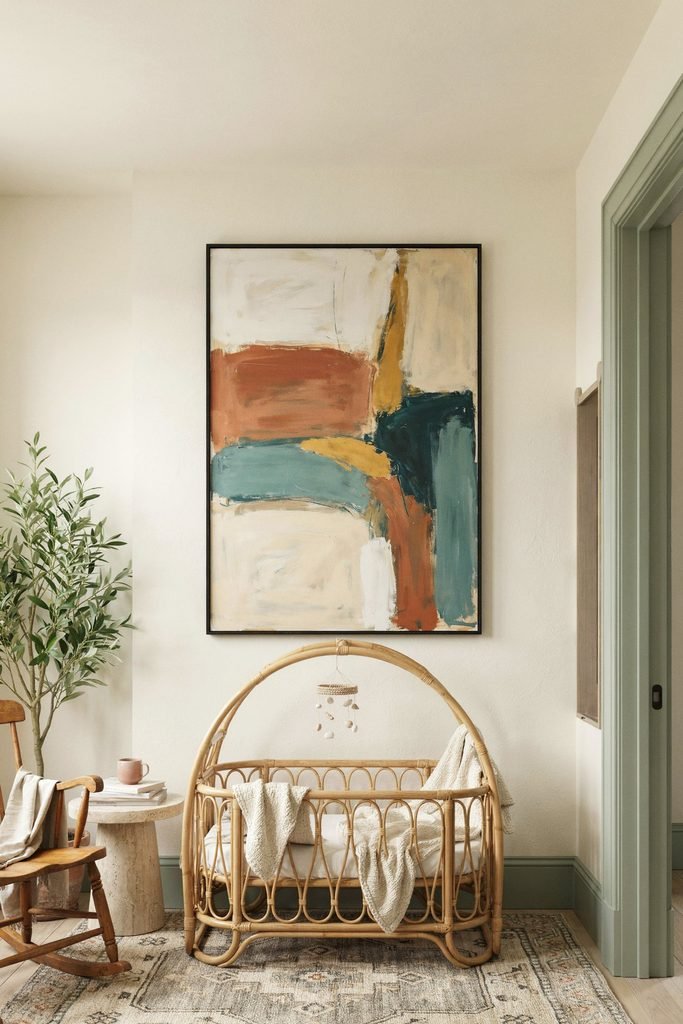
9. Painted Color Baseboards
Who says trim has to be white or wood-toned? Painted baseboards in unexpected hues are a fantastic way to inject personality into a room. Consider painting your baseboards and matching casings in muted sage green, deep navy blue, or warm terracotta. Alternatively, painting the baseboards the exact same color as your walls—especially in moody, dark hues—creates a seamless, enveloping effect that makes ceilings appear higher. Colored trim is an excellent, budget-friendly way to define a space without a full renovation.
10. Shoe Molding and Quarter Round Details
No discussion of floor trim is complete without addressing the gap-hiders: shoe molding and quarter round. Quarter round is a literal quarter-circle, creating a pronounced, rounded bulge. Shoe molding is taller and features a more subtle curve that tucks elegantly under the main baseboard. Both hide the expansion gap between the baseboard and uneven flooring. While many modern installers prefer to caulk the gap, adding shoe molding is practically mandatory if you have uneven hardwood, historic floors, or large gaps.

11. Baseboards for Small Rooms and Low Ceilings
When dealing with apartments, cozy bedrooms, or older historic homes with 8-foot ceilings, scale is everything. The best baseboard styles for small spaces are slimmer, simpler, and lighter in color. A standard 3-inch to 4-inch profile with a simple curved or square edge prevents the trim from overwhelming the limited wall space. Stick to crisp white or match the trim to the wall color to blur boundaries and make the room feel larger. Avoid heavily sculpted profiles, which can visually chop the wall in half.

12. Water-Resistant Baseboards for Kitchens and Bathrooms
Kitchens and bathrooms are high-moisture environments demanding durable materials. Standard MDF baseboard will swell and ruin quickly if exposed to standing water. For these spaces, you need specialized bathroom baseboard trim and kitchen solutions. Solid wood is good but requires diligent sealing. A far superior choice is PVC or polyurethane composite trim. These synthetic materials are 100% waterproof, rot-proof, and can be painted exactly like real wood. Alternatively, continuing floor tile up the wall to create a tile baseboard offers an entirely waterproof finish.

How to Choose the Right Baseboard
With so many baseboard ideas available, narrowing down your options can feel overwhelming. Use this practical decision framework:
- Ceiling Height: Match the scale to your architecture. Taller ceilings handle 5-inch to 7-inch baseboards, while standard 8-foot ceilings look best with 3-inch to 4-inch profiles.
- Interior Style: Let your home dictate the profile. Choose square-edge for modern homes, stepped profiles for Craftsman bungalows, and simple curves for farmhouse styles.
- Flooring Type: Dark floors with white trim create crisp contrast, while stained wood trim should coordinate with the undertones of your hardwood.
- Material: Choose solid wood for staining, MDF baseboard for budget-friendly painted trim in dry areas, and PVC for moisture-prone bathrooms.
- Budget and DIY: Simple, single-piece flat stock is easy for DIY baseboard ideas. Built-up trim requires advanced mitering skills and more installation time.
Baseboard Ideas by Room
- Living Room: This is your showcase space. Use living room baseboard ideas that make a statement, such as tall, built-up trim or a bold paint color to anchor your seating area.
- Bedroom: Keep it calming. Bedroom baseboard ideas should lean toward softer profiles and colors. Matching the trim to the wall color creates a serene environment perfect for sleep.
- Kitchen: Durability is key. Kitchen baseboard ideas must withstand toe-kicks and mopping. Opt for semi-gloss paint, PVC materials, or stainless steel toe-kick covers.
- Bathroom: Moisture resistance is non-negotiable. Use PVC, solid wood, or tile-compatible bathroom baseboard trim to prevent water damage and mold growth.
- Entryway: These spaces experience heavy foot traffic. Choose durable materials and scuff-resistant satin finishes to hide the wear and tear of daily life.
- Home Office: Create a focused environment. Wood-stained trim or classic white built-up molding can give a home office the sophisticated feel of an executive study.
Baseboard Height Guide
Getting the proportions right is crucial for a balanced interior. Use this standard US baseboard height guide:
- 3 to 4 inches: The standard, versatile height found in most modern production homes. It is cost-effective, unobtrusive, and perfectly suited for rooms with standard 8-foot ceilings.
- 4 to 5 inches: A slightly more formal and substantial look. This height bridges the gap between builder-grade and custom, working beautifully in dining rooms and primary suites.
- 5 to 7 inches: Statement trim designed for larger rooms, open-concept layouts, and homes with 9-foot or 10-foot ceilings. It adds major architectural weight and luxury.
- 7+ inches: Dramatic, historic, or ultra-luxury interiors. Often seen in grand Victorian restorations, modern mansions, or spaces utilizing extensive wall paneling and wainscoting.
Installation and Styling Tips
Even beautiful millwork looks cheap if installed poorly. If you are tackling baseboard installation ideas yourself, keep these pro tips in mind:
- Measure and Miter: Use a high-quality miter saw for crisp 45-degree angles. For uneven walls, coping joints (where the profile of one board overlaps another) yield a tighter inside corner than a simple miter.
- Caulk and Fill: Always run a thin bead of paintable latex caulk along the top edge where the trim meets the drywall to hide gaps. Use wood filler for nail holes, sand smooth, and wipe away dust before painting.
- Prime First: MDF is like a sponge. Always use a high-quality primer on raw wood or MDF baseboards before applying your topcoat.
- Match Casings: Ensure the thickness of your baseboard matches or slightly exceeds your door casings. The baseboard should visually “support” the casing.
- Keep it Consistent: In open-concept homes, maintain the same profile throughout main living areas to create a continuous sightline. Save distinct baseboard styles for private spaces.
Frequently Asked Questions
What is the most popular baseboard style?
The most popular style in the US is the classic 3-inch to 4-inch rounded or colonial profile painted in semi-gloss white. It is versatile, affordable, and works with almost any interior design style.
What height should baseboards be?
For standard 8-foot ceilings, 3 to 4 inches is ideal. For 9-foot ceilings, 4 to 5 inches provides better proportion. For 10-foot or taller ceilings, 5 to 7 inches is recommended to prevent the trim from looking undersized.
Should baseboards match door trim?
Generally, yes. For a cohesive look, your baseboards should match the style and color of your door casings and window trim. At the very least, they should be the same color, even if the profiles differ slightly.
Are white baseboards still in style?
Absolutely. White baseboards are a timeless classic. They provide a clean, crisp boundary that highlights your wall colors and flooring, making them a highly desirable choice for resale value.
What is the difference between shoe molding and quarter round?
Quarter round is a literal quarter-circle shape, creating a bulky, rounded look. Shoe molding is taller, narrower, and has a more subtle curve. Shoe molding is generally preferred by designers for a more refined finish.
What baseboard material is best for bathrooms?
PVC or composite trim is the best choice. Unlike MDF, which swells when exposed to water, synthetic materials are 100% waterproof and will withstand the high humidity typical of bathroom environments.
Can I install baseboards myself?
Yes, installing simple, single-piece baseboards is an achievable DIY project if you have a miter saw and nail gun. However, coping inside corners or installing complex built-up trim may require a professional carpenter.
Conclusion
Ultimately, the best baseboard ideas are the ones that harmonize with your home’s unique architecture, your chosen flooring, and your personal design aesthetic. Whether you opt for the crisp simplicity of classic white trim, the bold drama of matte black, or the custom elegance of a built-up profile, your floor trim serves as the foundational frame for your entire interior. By carefully considering proportions, materials, and room-by-room functionality, you can elevate your space from ordinary to extraordinary. Take the time to test samples, measure your ceilings, and choose a baseboard style that feels cohesive and intentional—your home’s finishing touch will thank you for it.