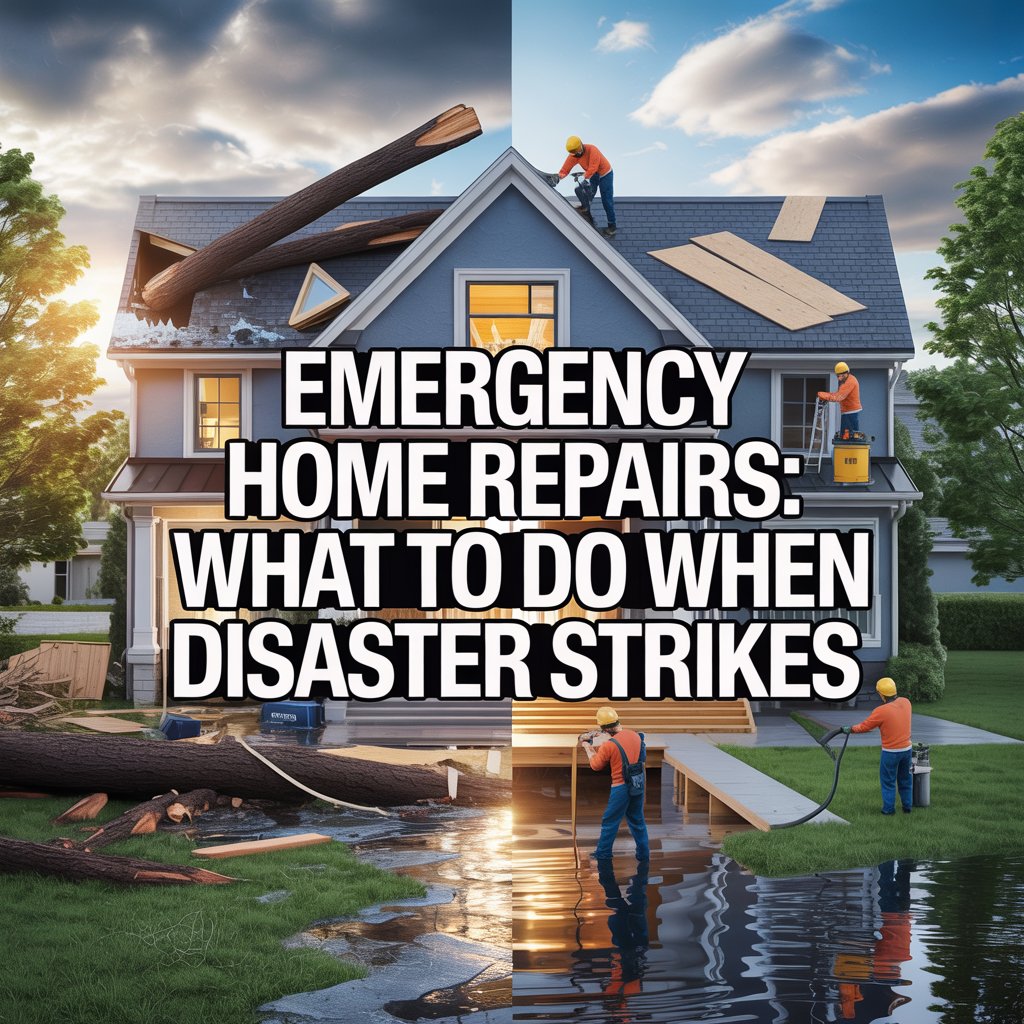
Have you ever awakened to the sound of water rushing across your floor or smelled that unmistakable “rotten egg” odor signaling a gas leak? That moment of panic—when you realize you’re facing emergency home repairs—is something nearly every homeowner experiences. The difference between a minor inconvenience and catastrophic damage often comes down to how you respond in the first critical minutes.
A true emergency home repair is any situation that immediately threatens health and safety, risks major property damage, or makes your home unlivable. Understanding this distinction helps you react appropriately, ensuring you get the right help when you need it most skylightroofing.com.
What Should I Do First in a Home Emergency?
Quick Answer: Prioritize safety in this order—protect people first, stop the danger if safe to do so, then call for professional help.
Your immediate actions should follow this sequence: 1) Ensure everyone’s safety and evacuate if necessary, 2) Shut off utilities if you can do so safely, 3) Call 911 for life-threatening situations, 4) Contact emergency professionals who can address the specific problem.
First Things First: Safety Over Everything
When disaster strikes, your natural impulse might be to jump right into fixing the problem. But slowing down for 30 seconds to assess safety could save lives—including yours.
Assessing Immediate Danger
Scan for these critical hazards:
- Gas leaks (rotten egg smell, hissing sounds, dead vegetation near lines)
- Electrical hazards (sparking outlets near water, frayed wires)
- Structural issues (visible cracks in walls/foundation, sagging ceilings)
- Smoke or fire
- Sewage contamination
If you detect a gas leak: Do not turn lights on/off, use your phone indoors, or attempt to find the leak. Evacuate immediately, then call 911 and your gas company from a safe distance honeydoservice.com.
Shutting Off Utilities Safely
Knowing how to shut off these three utilities can prevent minor issues from becoming catastrophic:
- Water main: Usually in basement or crawl space; turn clockwise to shut off
- Gas valve: Requires a wrench; turn perpendicular to the pipe
- Electrical main: Circuit breaker panel, usually garage/basement
⚠️ Critical warning: If your electrical panel is wet or flooded, do not touch it. Call your utility company immediately.
What Counts as an Emergency Home Repair?
Not every problem requires a 3 a.m. phone call. Learn to distinguish true emergencies from issues that can wait for business hours.
True Emergencies (Need Immediate Action)
- Major water leaks/flooding:
- Plumbing failures flooding multiple rooms
- Roof leaks during active storms
- Sewage backups into living spaces
- Burst pipes with active water flow Water damage can cause thousands in damage within hours—mold begins growing in 24-48 hours according to the EPA robinsonrestore.com.
- Gas leaks (as mentioned above)
- Electrical emergencies:
- Burning smells from outlets
- Sparks or visible arcing
- Frequent breaker trips during normal use
- Structural damage:
- Large roof holes during storms
- Windows/doors compromised during break-in attempts
- Significant foundation cracks after earthquakes
Issues That Can Wait 24-48 Hours
- Small leaks you can contain with buckets
- Minor cosmetic damage
- Power outages with no underlying electrical issue (call utility company first)
- Slow dripping faucets
- Light fixture replacements
Step-by-Step Action Plan During a Home Emergency
Follow this simple sequence regardless of the emergency type:
- Protect people and pets first
- Evacuate if necessary
- Administer first aid for injuries
- Get everyone to a safe location
- Stop or limit the damage if safe
- Shut off water main for plumbing emergencies
- Place buckets under leaks
- Cover roof damage with tarp (only if safe to access)
- Document everything thoroughly
- Take photos/videos before cleanup
- Note time/date of incident
- Keep all damage-related receipts
- Contact insurance company
- Most require prompt reporting
- Have policy number ready
- Get claim number for reference
- Call qualified repair professionals
- Use your pre-screened emergency contacts
- Verify licenses/insurance if possible
Real-World Example: The Midnight Pipe Burst
Imagine waking at 2 a.m. to dripping water in your living room. Instead of panicking:
- Turn off water main immediately (you pre-located this during your home safety check)
- Move furniture to dry areas
- Place buckets under leaks
- Take photos of water patterns on ceiling
- Call emergency plumber AND your insurance company
- Begin water removal with towels (if amount is manageable)
This methodical approach saved Sarah in Toronto $8,000 in preventable damage after a frozen pipe burst. Taking those first 20 minutes to assess rather than react prevented mold growth and extensive drywall replacement.
Common Home Disasters and How to Respond
Water Leaks and Burst Pipes
- DO: Shut off water main within first 5 minutes
- DO NOT: Attempt electrical repairs near standing water
- Critical window: First 60 minutes determine whether you face cosmetic repairs or structural damage robinsonrestore.com
- Pro tip: Open cabinet doors under sinks during winter to allow warm air circulation
Power Outages and Electrical Issues
- Check: Main breaker first
- Call utility company if outage affects multiple homes
- Call emergency electrician if:
- Sparks or burning smells
- Frequent breaker trips
- Water contact with electrical components
- Safety: Never stand in water while touching electrical devices
Storm and Wind Damage
- Temporary fix: Use blue tarp (not clear) over roof damage (minimum 6-mil thickness)
- Stay away from downed power lines—they may still be live
- Document before any temporary repairs (insurance requires “before” photos)
- Key fact: A 4×4 foot hole in your roof allows 1,000 gallons of water per hour in moderate rain
Sewer Backups
- Immediate danger: Health hazard from pathogens
- DO NOT: Attempt cleanup yourself—raw sewage requires special handling
- DO: Evacuate contaminated areas
- Call: Emergency plumber immediately followed by restoration specialist
Working With Insurance During an Emergency
Insurance claims can be smooth if you follow these steps:
Documentation Checklist
- [ ] Timestamped photos of damage
- [ ] Video walkthrough of affected areas
- [ ] Receipts for emergency repairs/moving belongings
- [ ] Copy of police/fire report (if applicable)
- [ ] Notes about when damage occurred
What to Ask Your Insurance
- “What is covered under my policy for this type of emergency?”
- “Do I need to get multiple estimates?”
- “Are temporary repair costs covered?”
- “When will an adjuster be dispatched?”
Keep damaged items until the adjuster arrives—throwing them away prematurely could jeopardize your claim.
Hiring the Right Emergency Repair Professionals
When you search for “emergency home repairs near me” at 2 a.m., these tips ensure you get reliable help:
Vetting Emergency Contractors
- Call your regular contractor first—many offer emergency services
- Check online reviews (even at midnight—Google never sleeps)
- Verify licensing through your state/provincial contractor registry
- Avoid companies demanding full payment upfront
Red Flags to Watch For
- No physical business address
- Pressure to sign immediately
- Unwillingness to provide written estimate
- Payment required in cash only
Building relationships with trusted professionals before you need them saves critical time. Keep numbers for emergency plumber, electrician, roofer, and restoration specialist prominently posted.
How to Prepare Before Disaster Strikes
Preparation separates those who weather emergencies well from those who face catastrophe.
Your Emergency Home Repair Kit
Keep these items in an easily accessible location:
- Flashlights + extra batteries
- Basic tool kit (wrenches, pliers, screwdrivers)
- Garden hose (for siphoning water)
- Plastic sheeting and heavy-duty tape
- Buckets and towels
- First-aid kit
- Emergency contact list
Take 30 Minutes This Weekend
1. Locate and label all shutoff valves (water, gas)
2. Photograph your electrical panel with labels
3. Save emergency numbers in your phone
4. Print your insurance policy declarations page
5. Check expiration dates on fire extinguishers
When to DIY and When Not To
Safe Temporary Fixes You Can Do
- Shutting off water main
- Placing buckets under leaks
- Covering broken windows with plywood
- Using towels for small water intrusions
Jobs That Always Require Professionals
- Electrical work beyond resetting a breaker
- Gas line repairs or adjustments
- Structural damage assessment
- Mold remediation beyond small surface mold
Attempting DIY on these can void insurance claims and create serious safety hazards. The cost of professional emergency services is minor compared to the potential consequences of improper repairs.
Conclusion and Call to Action
Emergency home repairs don’t have to mean panic and preventable damage. By understanding what qualifies as a true emergency, following a clear action sequence, and preparing in advance, you transform chaos into manageable crisis.
This weekend, take just 15 minutes to:
- Locate your main water shutoff valve and practice turning it
- Create a digital emergency contact list on your phone
- Take photos of important areas (electrical panel, water heater)
These small steps become your most valuable asset when disaster strikes. Remember the words of experienced contractors: “The calm homeowner is the one who saves the most money and stress.”
Your home is your sanctuary and your largest investment—protecting it starts with knowing exactly what to do when emergency home repairs become necessary. When you’re prepared, you’re never truly in the dark.
Need immediate assistance? Save this checklist on your phone or print it for your emergency binder. A moment of preparation today could save thousands tomorrow.