A well-maintained roof can protect your home for 20, 30, even 50+ years depending on the material. A neglected one? You might be looking at a full replacement in half that time. Between brutal winter storms, scorching summer heat, and everything in between, American roofs take a serious beating year after year.
The good news is that a consistent roof maintenance checklist for longevity doesn’t have to be complicated or expensive. Most of what keeps a roof healthy comes down to a few seasonal habits, knowing what to look for, and understanding when a small fix today saves you a five-figure repair tomorrow.
In this guide, you’ll get a complete seasonal checklist, a clear breakdown of what you can DIY versus what calls for a licensed roofing contractor, and practical tips to extend roof lifespan well beyond the manufacturer’s estimate. Whether you’re a first-time homeowner building your new homeowner roof checklist or a seasoned property manager, this is your roadmap.
Why Roof Maintenance Matters for Longevity
Your roof is the single largest weather barrier protecting your home, and it’s also one of the most expensive components to replace. The average asphalt shingle roof costs $8,000–$15,000 to replace, while metal, tile, and slate options climb significantly higher. That makes preventive care one of the smartest investments in any home maintenance schedule.
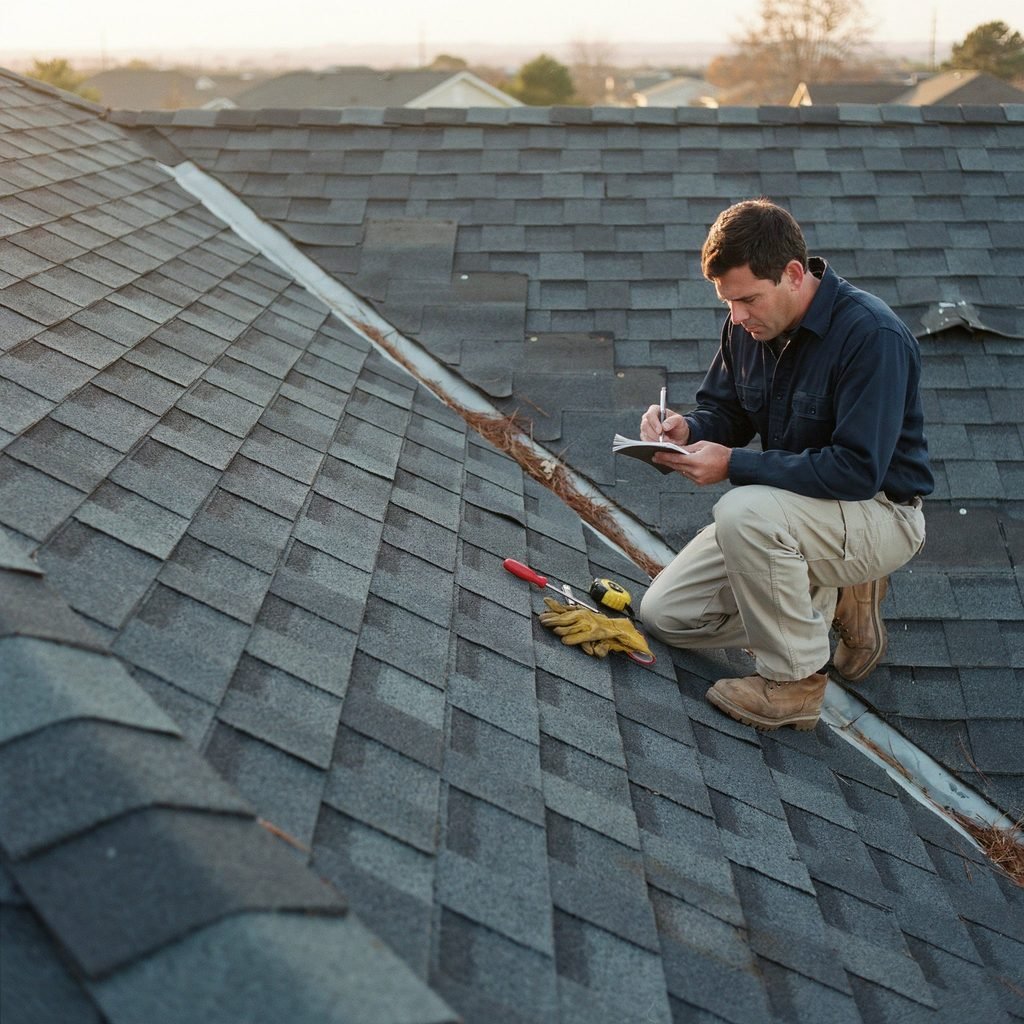
Regular roof inspections catch problems while they’re still minor—a single cracked shingle, a small gap in flashing, a clogged gutter section. Left alone, those small issues invite water intrusion, rot, mold, and structural damage that can cascade through your attic, walls, and foundation.
Here’s a quick look at typical roof lifespans in the US:
- Asphalt shingles: 15–30 years
- Metal roofing: 40–70 years
- Clay or concrete tile: 50–100+ years
- Slate: 75–150+ years
Those ranges assume proper maintenance. A $150 repair to damaged flashing today can prevent roof leaks that would otherwise demand a $12,000 partial replacement three years from now. The math overwhelmingly favors proactive roof repairs over reactive fixes.
How Often Should You Inspect Your Roof?
The National Roofing Contractors Association (NRCA) recommends a biannual roof inspection—once in spring and once in fall—as the baseline for most US homes. These two windows let you assess winter damage before summer heat accelerates deterioration, and prep the roof before cold weather returns.
Beyond that schedule, add an after-storm roof check following any of the following:
- Hail events (even small hail can bruise shingles)
- Sustained winds above 50 mph
- Heavy snow loads exceeding 20 inches
- Falling branches or nearby tree strikes
Don’t forget the underside of the roof. An attic moisture inspection twice a year helps you spot condensation, ventilation failures, and early leak stains before they become visible on your ceiling. Grab a flashlight, check for dark spots on the underside of the decking, and make sure insulation isn’t damp or compressed.
Seasonal Roof Maintenance Checklist
This is the core of your roof maintenance checklist for longevity. Each season brings unique threats, and a few targeted tasks keep everything on track.
Spring: Repair Winter’s Damage
Winter is the toughest season for most US roofs. Freeze-thaw cycles, ice, and wind leave their mark. Your spring checklist:
- Walk the perimeter and scan for cracked, curled, or missing shingles. Ice dams along the eaves often lift shingle edges.
- Clean gutters and downspouts of leaves, twigs, and granule buildup that accumulated over winter. Clogged gutters force water under shingle edges.
- Look for shingle granules in gutters. A handful is normal aging; a thick layer signals your shingles are nearing the end of their lifespan.
- Inspect flashing around chimneys, plumbing vents, skylights, and dormers. Look for gaps, rust, or lifted sealant.
- Check roof valleys for debris or granule loss, since valleys channel the most water.
Spring is also a great time to note anything unusual and schedule a professional roof inspection if you spot damage you can’t assess from the ground.
Summer: Beat the Heat
Summer roof care focuses on UV exposure and organic growth.
- Check south- and west-facing slopes for signs of UV roof damage: bleached, brittle, or cupping shingles.
- Trim overhanging branches so they’re at least 6–10 feet from the roof surface. This reduces debris, limits shade that encourages moss and algae on the roof, and prevents storm-related limb damage.
- Confirm attic ventilation is working. Proper airflow (soffit intake + ridge or gable exhaust) keeps attic temps down, reducing thermal cycling that ages shingles prematurely.
- Scan for moss, algae, or lichen in damp, shaded areas—especially on north-facing slopes. Black streaks are usually Gloeocapsa magma algae, which is mostly cosmetic, while moss can lift shingle edges and trap moisture.
Fall: Prepare for the Hard Season
If you only do one thorough roof task all year, make it fall preparation.
- Thoroughly clean gutters and downspouts before winter. This is the single most important gutter task of the year. Deciduous trees drop the bulk of their leaves in fall, and clogged gutters are the #1 cause of ice dams.
- Clear leaves, pine needles, and debris from the roof surface, valleys, and around chimneys. Trapped organic matter holds moisture and accelerates rot.
- Reseal flashing where caulk or roofing cement has cracked or peeled. A tube of polyurethane sealant handles most small gaps.
- Verify attic insulation and ventilation are ready for winter. Aim for R-38 or higher insulation and unobstructed soffit vents to support ice dam prevention.
- Check for damaged or missing shingles and replace them before the first freeze.
Winter: Monitor and Protect
Winter roof maintenance is mostly about observation and prevention—avoid climbing onto a snowy or icy roof.
- Watch for ice dams along the eaves. If you see icicles forming at the gutter line or water backing up under shingles, your attic insulation or ventilation likely needs improvement.
- Safely remove heavy snow if accumulation exceeds 2 feet and your roof structure is older or lightly built. Use a roof rake from the ground—never climb on an icy roof.
- Check the attic for leaks or moisture after every major storm. Look for damp insulation, drips, or new water stains on the decking.
- Keep gutters clear of ice and debris where safely accessible. Heating cables can help in chronic ice dam zones.
DIY vs. Professional Roof Maintenance Tasks
Knowing the line between what you can handle and what requires a pro keeps you safe and protects your roof’s integrity.
Safe DIY tasks:
- Visual inspections from the ground with binoculars or from a sturdy ladder (never lean the ladder against gutters)
- Cleaning gutters and downspouts with a scoop and hose
- Trimming accessible tree branches
- Attic inspections for moisture, ventilation blockages, and insulation condition
- Spot-treating small areas of algae with a diluted bleach or oxygen-based cleaner
- Replacing a single damaged shingle (if you’re comfortable on a low-pitch roof with proper fall protection)
Call a licensed roofing contractor for:
- Walking on steep, high, or multi-story roofs
- Flashing repairs or replacements around chimneys, vents, and skylights
- Underlayment or membrane issues you can see from the attic
- Structural concerns: sagging decking, soft spots, or rot
- Post-storm damage assessments for insurance claims
- Any work still under a manufacturer’s warranty (unauthorized repairs can void it)
Safety first: If you do get on a ladder, use a 4-to-1 angle ratio, extend it 3 feet above the roofline, and have a spotter. For anything beyond a quick visual check, roof safety tips all point the same direction—hire a professional.
Common Roof Problems That Shorten Lifespan
Understanding the usual suspects helps you spot them early.
- Missing, damaged, or curled shingles: Exposed underlayment invites water within hours of the next rain.
- Clogged gutters causing water backup: Overflowing water seeps under fascia, rots the roof deck, and fuels ice dams.
- Poor attic ventilation: Trapped heat bakes shingles from below in summer; trapped moisture promotes mold and rot in winter.
- Moss, algae, and organic growth: Moss roots lift shingle edges, trapping moisture against the granule surface.
- Damaged flashing: Chimney flashing, vent flashing, and skylight seals are the most common leak sources—often before the shingles themselves fail.
- Granule loss: Accelerated UV exposure once the protective granule layer thins.
Addressing these common roof problems within a season or two of discovery is the difference between a $200 fix and a $20,000 re-roof.
Tips to Extend Your Roof’s Life Beyond the Checklist
Your seasonal checklist is the foundation. These habits add extra years.
- Keep trees trimmed year-round, not just in fall. Overhanging limbs drop debris, scratch shingles, and create shade pockets where moss thrives.
- Treat moss and algae promptly. Use a zinc- or copper-based roof treatment, or install zinc/copper strips along the ridge so rainwater carries trace metals down the slope, inhibiting growth.
- Improve attic ventilation and insulation if your energy bills spike or you notice ice dams. A balanced system (intake at soffits, exhaust at the ridge) reduces thermal stress on shingles by 15–25 °F in summer.
- Address small repairs immediately. One lifted shingle tab sealed today prevents the water intrusion that peels back six more shingles next storm.
- Consider protective coatings for flat or low-slope roofs (TPO, EPDM, modified bitumen). Reflective elastomeric coatings can add 5–10 years of service life.
- Schedule a professional inspection every 1–2 years, and always after major hail or wind events. A trained eye spots issues invisible from the ground.
- Document everything. Keep photos, receipts, and inspection reports in a home file. This supports insurance claims, warranty coverage, and resale negotiations.
When to Call a Professional Roofer
Even the best DIY homeowner hits a point where expertise is non-negotiable. Reach out to a licensed roofing contractor if you notice:
- Widespread shingle damage (curling, cracking, or loss across multiple slopes)
- A sagging roof deck or visible structural deflection
- Multiple active leaks or water stains in several rooms
- Hail or wind damage covering more than a few isolated spots
- A roof approaching or past its expected lifespan with increasing issues
A professional roof inspection report gives you documented, photographic evidence of your roof’s condition. That report carries weight with your homeowner’s insurance carrier, adds credibility during a home sale, and satisfies manufacturer warranty requirements.
When the scope of work is significant—say, replacing flashing across the entire roof or addressing storm damage—get at least three written quotes. Compare materials, workmanship warranties, timeline, and licensing. The cheapest bid isn’t always the best, but transparency and references are non-negotiable.
Conclusion: Your Roof Maintenance Checklist for Longevity Starts Now
A roof doesn’t fail overnight. It fails one unchecked season at a time. By committing to this roof maintenance checklist for longevity—spring and fall inspections, seasonal cleanups, prompt minor repairs, and periodic professional evaluations—you’re not just protecting shingles. You’re protecting the structure, the attic, the walls, and the value of everything underneath.
Small, regular actions save thousands in roof repair costs and can extend roof lifespan by 5, 10, even 15 years beyond what neglect would allow. Bookmark this guide, print the seasonal sections, and set two calendar reminders: one in April, one in October. Your roof (and your wallet) will thank you.
Next step: Schedule your next biannual roof inspection this week, or share this checklist with a fellow homeowner who’s been putting it off. A five-minute conversation today can save someone a $15,000 surprise next winter.