If your energy bill jumped unexpectedly this month or your family’s allergy symptoms seem to be worsening, the culprit might be hiding in plain sight: a clogged air filter. It’s a common household oversight. We dutifully change the batteries in our smoke detectors and clean out our gutters, but the humble HVAC filter often slips our minds until the system starts acting up.
Replacing your home’s air filter regularly is one of the easiest, most cost-effective ways to keep your heating and cooling system running efficiently while vastly improving your indoor air quality. But with so many conflicting recommendations online, how often should you actually change it? Is it every month, every season, or only when you remember?
In this comprehensive guide, we’ll break down the ideal air filter replacement schedule for every type of home and filter. You’ll learn exactly why timely replacement matters for your health and your wallet, how to choose the right MERV rating for your needs, and the simple, step-by-step process to swap it out yourself. By the end, you’ll know precisely when to replace your air filter to keep your home comfortable, clean, and energy-efficient year-round.
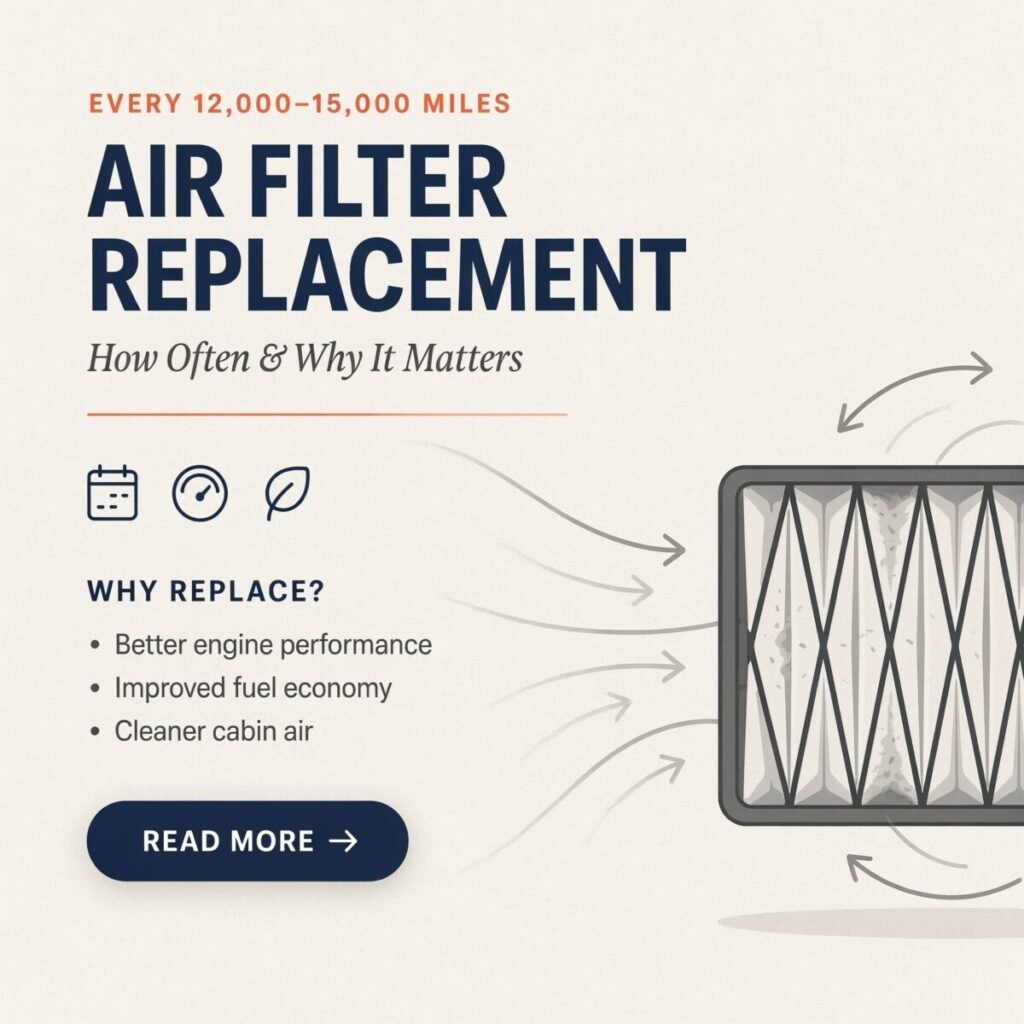
Why Replacing Your Air Filter Is Important
To understand the ideal HVAC filter replacement schedule, it helps to know exactly what this simple component does. Your HVAC system’s air filter serves two primary purposes: it protects the internal mechanical components of your heating and cooling equipment from large debris, and it traps airborne particles to improve the air you breathe.
When it comes to health, the impact of a clean filter is profound. Over time, filters capture dust, pollen, pet dander, mold spores, and even microscopic bacteria. If left unchanged, these trapped pollutants can become a breeding ground for mold or simply bypass the saturated filter, recirculating back into your living spaces. For households with asthma or allergy sufferers, maintaining pristine indoor air quality (IAQ) is non-negotiable. A fresh filter is your first line of defense against respiratory irritants, offering noticeable allergy relief right at home.
Beyond health, system performance relies heavily on unobstructed airflow. A clogged filter acts like a thick winter coat over your HVAC system’s lungs. When airflow is restricted, the blower motor has to work significantly harder to pull air through the dense mat of dust. This extra strain not only accelerates wear and tear on expensive components but can also lead to catastrophic failures, such as a frozen AC evaporator coil or an overheated furnace heat exchanger. Regular HVAC maintenance, starting with the filter, prevents these costly emergency repairs.
Finally, there is the undeniable impact on your wallet. According to the U.S. Department of Energy and ENERGY STAR guidelines, replacing a dirty, clogged filter with a clean one can lower your air conditioner’s energy consumption by 5% to 15%. When your system doesn’t have to fight against a wall of dust to circulate air, it reaches your desired thermostat temperature faster and cycles off sooner. In short, prioritizing energy efficiency HVAC practices is a surefire way to reduce energy bills, and it all starts with a simple piece of fiberglass or pleated media.
How Often to Replace Different Types of Filters
There is no single “magic number” for how often to change air filter media in your home. The ideal timeline depends on a combination of the filter’s material, its thickness, your local climate, and the unique conditions inside your house. Before diving into specific schedules, consider the variables that accelerate dust buildup: homes with shedding pets, indoor smokers, or those located in areas with high outdoor pollution, heavy pollen, or frequent dust storms will require much more frequent changes. Furthermore, running your AC or heater continuously during extreme summer or winter months cycles more air—and more particles—through the system than mild shoulder seasons.
Here is a practical breakdown of when to replace HVAC filter types based on manufacturer guidelines and HVAC professional consensus.
Fiberglass and Basic Filters (MERV 1–4)
These inexpensive, flat-panel filters are designed primarily to protect your HVAC equipment from large debris like lint and hair, rather than cleaning the air you breathe. Because they have a very low surface area and capture minimal particulates, they clog quickly or allow smaller dust particles to pass right through. You should replace these basic filters every 30 days. If you opt for these, you must commit to a strict monthly schedule to prevent dust from coating your blower motor.
Pleated and High-MERV Filters (MERV 5–12)
Pleated air filters are the gold standard for most modern US households. The folded design drastically increases the surface area available to trap dust, dander, and pollen without immediately choking off airflow. For a standard 1-inch thick pleated filter, the general rule of thumb is to replace it every 60 to 90 days. If you upgrade to a thicker 4-inch or 5-inch media filter (often housed in a specialized cabinet near your air handler), the massive surface area allows them to last anywhere from 6 to 12 months before needing a swap.
HEPA and Whole-House Filters
True HEPA filters capture 99.97% of particles down to 0.3 microns. While incredible for air purification, they create immense static pressure (airflow resistance). Because most standard residential duct systems cannot handle true HEPA filters, they are usually found in standalone air purifiers or specialized whole-house media cabinets. If you have a high-MERV (13–16) or specialized whole-house media filter, check the manufacturer’s instructions, but generally, these are replaced every 6 to 12 months.
Washable and Reusable Filters
Washable air filters, typically made of woven polypropylene or metal mesh, are eco-friendly and cost-effective over time. However, they require strict upkeep. You must remove, rinse, and thoroughly dry these filters every 30 days to prevent mold growth inside the ductwork. Even with perfect maintenance, the materials degrade, so plan to replace washable filters entirely every 1 to 3 years.
Adjusting for Household Conditions
The timelines above assume an average home. You must adjust your schedule based on your specific environment:
- Homes with pets: Pet dander and fur are notorious for clogging filters rapidly. If you have one dog or cat, reduce your pleated filter lifespan by 30 days (change every 60 days). For multiple pets or heavy shedders, replace HVAC filter monthly or every 45 days.
- Allergy or immunocompromised households: To maintain optimal IAQ, check your filter every month. Even if it doesn’t look completely black, swapping a high-MERV filter every 30 to 45 days ensures maximum particle capture for sensitive lungs.
- Vacation homes or single occupants: A lightly used summer cabin or a single-person home with no pets might easily stretch a pleated filter to 90–120 days.
- Renters vs. Homeowners: If you rent, always check your lease agreement. Some property management companies handle furnace filter replacement as part of routine maintenance, while others place the burden and cost entirely on the tenant.
Real-World Household Examples:
- The Standard Setup: Two adults, no pets, central AC in a moderate climate. Schedule: 1-inch pleated filter every 90 days.
- The Busy Family: Two adults, two kids, and a golden retriever. Schedule: Pleated filter every 30 to 45 days.
- The Allergy Sufferer: Single adult with severe seasonal allergies. Schedule: High-MERV (11-13) pleated filter checked monthly, replaced every 30 to 60 days.
Knowing the signs you need to replace your air filter is just as important as the calendar. If you notice visible dust accumulating on your furniture shortly after cleaning, weaker airflow from your supply vents, or a noticeable musty odor when the system kicks on, don’t wait for the 90-day mark—change it immediately.
How to Choose the Right Filter for Your Home
Walking down the HVAC aisle at your local home improvement store can feel overwhelming. To make the right choice, you need to understand the MERV rating system and the physical differences between filter types.
Understanding MERV Ratings
MERV stands for Minimum Efficiency Reporting Value. It is the industry standard scale (ranging from 1 to 16) for measuring a filter’s ability to capture particles.
- MERV 1–4: Minimal filtration. Captures large particles like pollen and dust mites. Good for basic equipment protection in older systems, but poor for IAQ.
- MERV 5–8: The residential sweet spot. Excellent at capturing mold spores, pet dander, and standard household dust.
- MERV 9–12: Superior residential filtration. Captures finer particles, including lead dust and some bacteria. Ideal for allergy relief.
- MERV 13–16: Near-hospital grade. Captures viruses, smoke, and microscopic allergens. Note: Filters in this range can restrict airflow significantly. Always verify that your HVAC system’s blower motor is rated to handle high static pressure before installing a MERV 13+ filter.
When searching for the best air filter for allergies and pets, aim for a MERV 11 or 13 pleated filter, as these capture dander and fine pollen without overly restricting airflow in most modern systems.
HEPA Filter vs Standard Filter
When debating a HEPA filter vs standard filter, remember that true HEPA (MERV 17+) is rarely compatible with standard residential ductwork. The dense mat of fibers required to trap 0.3-micron particles will choke a standard blower motor, potentially burning it out. For whole-house HEPA-level purification, homeowners usually install a bypass HEPA system or rely on high-quality standalone air purifiers in bedrooms and living areas, using a MERV 11 or 13 pleated filter for the main HVAC system.
Pleated Air Filters vs. Fiberglass vs. Washable
As mentioned, fiberglass is cheap but ineffective for air cleaning. Pleated air filters offer the best balance of cost, airflow, and particle capture for 90% of US homes. Washable air filters appeal to eco-conscious buyers, but independent tests often show they have very low MERV ratings (often MERV 1-4) and can harbor mold if not dried perfectly. Stick to disposable pleated filters for the best combination of convenience and health benefits.
Sizing and Fit
An expensive filter is useless if it doesn’t fit. Air filters are sized by thickness, height, and width (e.g., 16x20x1 or 20x25x4). Always check the dimensions printed on the cardboard frame of your current filter. Note that the “nominal” size (16x20x1) is usually slightly larger than the “actual” size (15.5×19.5×0.75) to ensure a snug fit. A loose filter allows unfiltered air to bypass the media entirely, defeating the purpose of the upgrade. Buying in multipacks or subscribing to a filter delivery service ensures you always have the correct size on hand when it’s time for AC filter replacement.
Step-by-Step: How to Replace an Air Filter
Learning how to change an air filter step by step is a vital DIY skill that takes less than five minutes.
- Turn off the system: For safety, switch your thermostat to the “Off” position. If your filter is located inside the furnace or air handler cabinet, it’s wise to flip the breaker to the unit as well.
- Locate the filter: In most US homes, the filter is found in the return air duct. Look for a large grille on a wall or ceiling, or a slot directly where the large return duct meets the furnace/air handler.
- Remove the old filter: Slide the filter out. Take a moment to inspect it. If it is completely gray and opaque with dust, you’ve waited a bit too long between changes.
- Check the airflow arrow: Look at the cardboard frame of the new filter. You will see an arrow printed on it. This arrow must point toward the furnace or air handler, and away from the return duct. The filter needs to catch the air as it is pulled into the system.
- Insert and secure: Slide the new filter in, ensuring it sits flush with no gaps around the edges. Close the grille or cabinet door securely.
- Reset and record: Turn the HVAC system back on. Write the installation date on the cardboard frame of the filter with a Sharpie, and set a recurring reminder on your smartphone for 60 or 90 days out.
Pro Maintenance Tips:
To maximize your system’s lifespan, keep the area around your return vents completely clear of furniture, rugs, and curtains. Vacuum the return grilles periodically to prevent surface dust from being pulled into the system. Finally, pair your regular filter swaps with an annual professional HVAC tune-up to ensure your blower motor and coils are operating at peak efficiency.
Costs, Energy Savings, and When to Call a Professional
When evaluating air filter replacement cost and savings, the math heavily favors proactive maintenance. Standard 1-inch fiberglass filters cost as little as $5 to $10, while high-quality MERV 11 or 13 pleated air filters typically range from $15 to $25 each. High-capacity 4-inch media filters can cost $40 to $60 but last up to a year. While upgrading to better filters costs slightly more upfront, the return on investment is substantial.
As noted by ENERGY STAR, a clean filter improves energy efficiency HVAC performance, directly lowering your monthly utility bills. Furthermore, preventing a burnt-out blower motor or a frozen AC coil saves you from emergency repair bills that can easily exceed $500 to $1,500.
However, there are times when a simple filter swap isn’t enough. You should call a licensed HVAC professional if you experience weak airflow even after installing a brand-new, correctly sized filter. Unusual grinding noises, frequent short-cycling, or a persistent musty smell that hints at mold in the ductwork all require professional diagnostics. If your home feels dusty no matter how often you change the filter, a pro can evaluate your ductwork for leaks that might be pulling in attic or crawlspace insulation.
Frequently Asked Questions
To wrap up, here are quick answers to the most common questions homeowners ask about HVAC maintenance and filtration.
How often should you change your HVAC filter?
It depends heavily on the filter type and your household. Basic fiberglass filters require monthly changes. Standard 1-inch pleated filters should be replaced every 60 to 90 days. However, homes with multiple pets, heavy dust, or allergy sufferers should shorten that interval to every 30 to 45 days.
Can I use a higher MERV filter in my home?
Often yes, but with caution. Upgrading from a MERV 8 to a MERV 11 is usually safe for modern systems. However, installing a MERV 13 or higher in an older system or one with undersized ductwork can restrict airflow so severely that it damages the blower motor or freezes your AC coils. Always consult your HVAC manual or a technician before jumping to the highest MERV rating.
Do washable filters work?
They work for basic equipment protection and are great for reducing landfill waste, but they generally offer very low MERV ratings (often MERV 1 to 4). They will not provide meaningful allergy relief or capture fine dust, and if not dried completely after washing, they can introduce mold spores into your ductwork.
Does replacing an air filter save money?
Absolutely. A clean filter reduces the strain on your HVAC system, allowing it to heat and cool your home using less electricity or gas. Over a year, the energy savings, combined with the avoidance of premature mechanical failures, make regular filter replacement one of the highest-ROI home maintenance tasks you can perform.
Conclusion
Mastering your air filter replacement schedule is one of the simplest ways to protect your family’s health, extend the life of your expensive HVAC equipment, and keep your energy bills in check. Whether you need to replace HVAC filter monthly due to a house full of furry pets, or you can stretch a thick media filter for a full year, staying proactive is the key to a comfortable home.
Don’t wait until your system struggles or your allergies flare up. Take five minutes today to check your current filter, note its size and MERV rating, and set a calendar reminder for your next swap. If you want to make the process entirely hands-off, consider signing up for a filter subscription service that delivers the exact right filter to your door right when you need it.
Want to keep your entire home running smoothly? Download our free, printable One-Page HVAC & Seasonal Home Maintenance Checklist below to stay on top of your filters, coils, and ductwork all year long!